
ADVANCED BIOLOGICS is the master distributor for DynaCord, LLC, the manufacturer of Human Umbilical Cord Mesenchymal Stem Cell-Derived Exosomes from Wharton’s Jelly.
You Don’t Need to Be an Expert to Sell Our Product
Keep in mind, you do not need to be an expert or know everything in order to effectively sell our product. When speaking with doctors, they are often eager to prove they are the smartest person in the room. However, when it comes to MSC exosomes, very few doctors actually understand what they are or how they function.
Even physicians who are illegally treating patients with stem cells often have no idea what exosomes are—which is ironic, considering exosomes are secreted by stem cells and do the actual healing. But we’ll dive deeper into that later.
Traditional methods of treating patients are becoming obsolete.
The future of medicine lies in regenerative medicine, which offers a far more effective approach to treating both minor and major medical conditions. One of the most promising advancements in this field is Mesenchymal Exosomes, which have the potential to address a wide range of health concerns both inside and outside the body.
What Is Regenerative Medicine?
Regenerative medicine seeks to replace tissue or organs that have been damaged by age, disease, trauma, or congenital issues, vs. the current clinical strategy that focuses primarily on treating the symptoms. The tools used to realize these outcomes are tissue engineering, cellular therapies, and medical devices and artificial organs.
Combinations of these approaches can amplify our natural healing process in the places it is needed most, or take over the function of a permanently damaged organ. Regenerative medicine is a field that brings together experts in biology, chemistry, computer science, engineering, genetics, medicine, robotics, and other fields to find solutions to some of the most challenging medical problems faced by humankind.
When injured or invaded by disease, our bodies have the innate response to heal and defend. What if it was possible to harness the power of the body to heal and then accelerate it in a clinically relevant way? What if we could help the body heal better?
The promising field of regenerative medicine is working to restore structure and function of damaged tissues, organs, cartilage, cells, reduce inflammation, etc. It is also working to create solutions for organs that become permanently damaged. The goal of this approach is to develop transformative healthcare solutions that will potentially cure previously untreatable injuries and diseases.
What are Mesenchymal Exosomes?
More than likely you are familiar with “STEM CELLS” or have at least heard about them and how stem cells are cutting edge in REGENERATIVE MEDICINE. Mesenchymal Exosomes are secreted by Mesenchymal Stem Cells (MSC’s). MSC Stem Cells and the Exosomes secreted by the stem cells are your bodies NATURAL HEALING MECHANISM starting the day you are born until the day you die.
When stem cells or exosomes are referenced, I am always referring to Mesenchymal Stem Cells and Exosomes.
For years scientists have studied how stem cells functioned naturally in the human body. They noticed tiny particles floating off of the stem cells and thought it was just waste. Years later scientists studied this closer and realized those are not waste particles, those are exosomes! For your knowledge, ALL cells secrete “exosomes”. An “exosome” is a lipid bilayer (bubble) that shuttles the cargo inside of it to different areas of your body. MESENCHYMAL EXOSOMES shuttle healing cargo such as growth factors, cytokines, proteins, lipids, nucleic acid, mRNA, etc. to damaged cells, tissue, and so on.
Mesenchymal Stem Cells and Exosomes are the NATURAL healing mechanisms in all of us.
When we are born, we have the most abundant and potent MSC stem cells that were ever going to have. This is when we are at our peak health. When we are middle aged they are much less effective. When we reach our golden years our stem cells are not very effective and by the age of 60 our stem cells and exosomes have all but stopped working to repair your body.
This is why we are relatively healthy when we are young… meaning from age zero to our forties and once we get into our 50’s, 60’s, and older it’s not uncommon to get diagnosed with a variety of medical conditions such as arthritis, COPD, neurodegenerative conditions (dementia, ALS, Parkinson’s disease, cancer, neuropathy, diabetes, and so on).
HOW THEY WORK
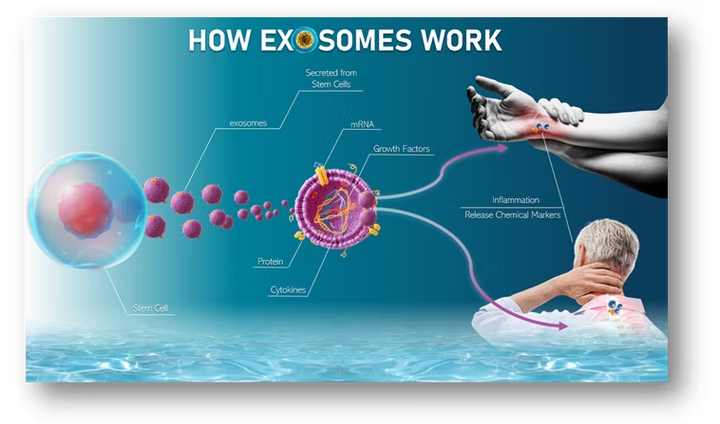
As it turns out, although stem cells play an important role in this process, it’s the MSC Exosomes that are doing all of the heavy lifting… NOT the stem cell itself.
It didn’t take long for scientists to figure out that they can take the manufacturing process one step further by first, harvesting the stem cells in a controlled laboratory, trigger them to package up the exosomes, then get them to secrete from the stem cell. Once the MSC Exosomes are secreted from the stem cell, the exosomes can be separated and purified by removing all cell particles leaving you with pure isolated MSC exosomes which you can concentrate in very potent quantities.
NOTE: All “exosomes” are NOT created equal. The quality, potency, purity and safety of the exosomes has everything to do with how they are manufactured. Which we will dive into a bit later.
BENEFITS OF MSC EXOSOMES
Exosomes reduce inflammation, repair and regenerate tissue, support your immune balance, encourage growth of new blood cells, protect cells from damage, repair damaged cells, speed up wound healing, reduce or eliminate scars, repair and rebuild organs, tissue, and cartilage.
Healing Power: They can help repair damaged tissues. For example, if you sprain your ankle, these exosomes can help the cells in your ankle start to heal faster.
Reducing Inflammation: Sometimes our body can get too inflamed, like when you have a cold. Mesenchymal exosomes can help calm that inflammation down, making you feel better.
Cell Communication: They improve communication between cells. This is important because cells need to work together, just like teammates in a game.
MSC Exosomes have the “potential” (compliant term) to reverse conditions such as neurodegenerative disorders, joint injuries, cancer, autoimmune diseases, organ failure, cardiovascular conditions, arthritis, neuropathy, Lyme disease, macular degeneration among other eye conditions, chronic conditions, inflammation, anti-aging, hair restoration, sexual dysfunction, kidney disease, among many other conditions.
- Acne Scars
- Anti-Aging
- Dark Eye Circles
- Eczema
- Even Skin Tone
- Herpes/Cold Sores
- Improved Skin Texture and Pore Size
- Improvement in Dryness and Better Overall Skin Hydration
- Psoriasis
- Reduction in Redness and Irritation
- Reduction of Scars and Skin Lesions
- Rosacea
- Tighten Sagging Skin
- Treats a Variety of Skin Condition
- Visible Decrease in Fine Lines, Wrinkles, and Age Spots
- 180% increase in Fibroblasts
- 300% increase in Elastin
- Migraines and Cluster Headaches
- Neuropathy
- Parkinson’s Disease
- Phantom Limb Pain
- Post Herpetic Neuralgia
- RSD
- ALS
- Alzheimer’s
- Autism
- Bell’s Palsy
- Dementia
- Improves Brain Health
- Back Pain
- Contribute to the Repair and Regeneration of Cartilage
- Improved Joint Function
- Plantar Fasciitis
- Reduces Chronic Pain
- Tennis/Golfers Elbow
- Tissue Regeneration
- Anti-Inflammation
- Boosts Immune Health
- Diabetes
- Help Manage Degenerative Conditions
- Immune Health
- Liver, Kidney, Cardiovascular and Neurological Disease
- Supports Metabolic Function
- Treat Lyme Disease
- COVID Lung
- Erectile Dysfunction
- Respiratory Issues
- Burns
- Enhances Tissue Regeneration
How Mesenchymal Stem Cells Replicate
Self-Renewal: MSCs have a special ability called self-renewal. This means they can divide and make copies of themselves. When they replicate, they create new MSCs that can still become different types of cells.
Differentiation:
Besides making more MSCs, they can also turn into other types of cells, like bone cells or cartilage cells. This process is called differentiation. For example, if you need more bone cells because of a fracture, MSCs can transform into those bone cells to help with healing.
Controlled Growth:
The body regulates the number of MSCs produced and how they differentiate, ensuring that tissues grow, and repair as needed. This is crucial for maintaining balance in the body.
Why We Are Healthier When Young
Cell Function and Regeneration: When we’re young, our cells, including MSCs, work efficiently. They can replicate and repair tissues quickly. This means if we get hurt, our body heals faster and more effectively.
Fewer Accumulated Damages:
As we age, our cells experience wear and tear from things like environmental stress, poor diet, and lifestyle choices. Over time, this can lead to damage to our DNA and cellular functions. Furthermore, when our MSC Stem Cells replicate themselves over and over they lose some of their potency and effectiveness, and there are fewer each time.
Decreased Stem Cell Activity:
As we grow older, the activity of our MSCs can decline. They may not replicate or differentiate as well as they used to. This means our bodies may not heal as quickly, and the ability to regenerate tissues diminishes.
When we reach age 50 and older, our stem cells/exosomes are not functioning well, so our damaged cells and tissue are not getting repaired. When this happens, we begin to experience the symptoms of the given medical condition.
Why We Are Healthy When Young and Experience Health Complications as We Age
Throughout life, our stem cells continuously replicate, making copies of themselves. However, with each replication, they lose a bit of their effectiveness, gradually diminishing their ability to repair and regenerate tissues as efficiently as they did in youth.
By the time we reach our early 30s, fine lines and wrinkles begin to appear. This happens because skin cells experience damage that is no longer being repaired as effectively as before. These early signs of aging indicate that stem cells and exosomes are already starting to decline in function.
In our youth, stem cells and exosomes operate at full capacity, rapidly repairing damaged cells—including skin cells—keeping us vibrant and resilient.
As we enter our 40s, we may notice subtle changes: moving a bit slower, experiencing more stiffness, or feeling occasional joint discomfort.
By our 50s, 60s, and beyond, age-related conditions become more common. Many people develop arthritis, diabetes, or Parkinson’s disease, and the risk of cancer, dementia, and COPD increases. In contrast, young individuals—such as children, teenagers, or even those in their 20s—rarely develop these conditions. This is because their stem cells are still functioning optimally, ensuring rapid and efficient cellular repair.
As we age, cellular repair slows down or even stops altogether, allowing diseases to take hold. We often attribute these changes to “getting older,” but the reality is that our stem cells and exosomes have replicated so many times that they become fatigued, less effective, and forget how to function properly. This decline weakens the body’s ability to heal, increases vulnerability to disease, and accelerates the aging process.
Understanding this fundamental shift in cellular function highlights why regenerative medicine plays a crucial role in restoring, maintaining, and enhancing overall health as we age.
WHAT MAKES OUR PRODUCT DIFFERENT AND SUPERIOR TO THE OTHERS?
These are UNDISPUTED FACTS:
ADVANCED BIOLOGICS distributes ONLY Mesenchymal Exosomes that are LEGALLY permitted to be sold and used for research and investigational use.
Our product is the only one legally permitted to be administered via IV Infusion for Therapeutic Treatments, Direct Site Injection to help with Joint Pain and injuries, Torn Ligaments, Arthritis, etc., and Nebulization to help with Lung Issues such as COPD and Pulmonary Fibrosis, as well as Dementia, Alzheimer’s, PTSD among other Neurocognitive Issues. Scalp Injections for Hair Restoration, topically after Microneedling and Laser Treatments for Skin Therapy, or Topically as a cosmetic.
We are the only ones with a Drug Master File with the FDA and our product is the only one registered as a drug with the FDA.
Our product is the only one categorized as a 351(a) by the FDA. ALL other suppliers and manufacturers are categorized as a 361 HCP/T product which is only legal to use as a topical cosmetic on unbroken skin. No different than any face cream you can buy at a beauty supply store.
The only time a 361 biologic product is legal to inject is if the stem cells/exosomes are pulled from the patient and injected back into that patient OR if the donated cells come from a first or second-degree blood relative. Donated cells derived from the umbilical cord or anyone other than a first or second-degree relative is illegal (a felony).
NOTE: EVERY OTHER MANUFACTURE OR EXOSOME SUPPLIER’s product is without a doubt ILLEGAL to use for clinical purposes. That means it is illegal to inject into another human. It’s a felony and the doctor could lose their medical license. There are hundreds of suppliers and they are all categorized as a 361 cosmetic with the FDA… except for us.
3rd Party Lab Testing
Aside from compliance, more importantly we ship 25% of our final product to a third-party Laboratory called Eurofins.
Eurofins is one of only two labs that has the capabilities to be able to perform the types of testing that are required by the FDA.
Once they have completed the testing, they send the results directly to the FDA which is a few terabytes worth of information. The FDA then takes about 7 to 10 days to review the information and not until they give us the green light are we permitted to bottle it up, dilute it with saline and offer it for sale.
We provide the 3rd Party Certificate of Analysis with every order. No other supplier even has their product tested.
We abide by all regulatory guidelines to ensure that we meet the purity, potency, consistency, and safety standards. Our EXOSOMES contain a high potency of lipids, proteins, and nucleic acids such as RNA, cytokines, and microRNAs. Furthermore, our exosomes have over 700 Growth Factors which are a key component and at least 25 times more than any other MSC exosome product I know of.
We are currently performing over 13 clinical studies hosted by LSU Medical School and have several more starting soon.
We have a United States Patent on the process of manufacturing Shelf Stable Human Mesenchymal Exosomes for Topical Applications (this pertains to our topical products). So, if you see an “exosome” product that is stable at room temperature that is in a bottle combined with a gel, serum, or cream you know it’s not real exosomes because they would be violating our patent. It’s either plant based exosome which work great if you are a plant but not as a human because plant based exosomes cannot communicate with human cells. Or it’s “conditioned media” which is a hodgepodge of different cellular particles that surround stem cells and exosomes.
We have performed very extensive Safety Studies on our exosome product which concluded that our product is 100% safe, has ZERO side effects, zero adverse events, and it’s impossible to overdose.
LSU School of medicine is a 5% equity owner with our manufacturer. This is a fantastic relationship because it enables us to be able to utilize their team of attorneys, incredible scientists, State of the Art laboratories, ISO 5 clean rooms, and their women’s hospital which is where we get our umbilical cords from. All donors are Extensively tested for all diseases whether current or if they have ever had a disease in their past. Every mother is screened for mental health conditions, and we make sure all our donors have never taken the covid vaccine.
This gives us a major advantage over other manufacturers because we can get the umbilical cord right when the baby is born and take it directly over to our state-of-the-art laboratory and begin harvesting the stem cells immediately while it is fresh.
At the time of birth, you either need to begin harvesting the stem cells immediately or you need to freeze the umbilical cord. None of the other manufacturers have the ability to harvest fresh stem cells. They get their umbilical cords from a tissue bank which are frozen for years before use.
When you freeze the umbilical cord, it causes damage to the cells, growth factors cytokines, exosomes, and all of the components that are necessary to repair your body. Our scientists have studies how stem cells behave after they have been frozen and found they do not behave the same as they do naturally in the human body or when they are harvested fresh.
So, harvesting our stem cells immediately with a fresh umbilical cord is our first step in developing a superior product.
Next, we allow the stem cells to mimic the same process that your body does naturally in that once we harvest the stem cells, we will allow them to replicate up to three times, but we stop before the 4th generation. The reason we do that is because after testing our product when we went to the 4th generation, we found that we would have to file for a whole new drug category if we went to the 4th generation.
So, we stop at 3 generations, separate the exosomes, then use a proprietary process to upregulate our product to where we have over 700 growth factors which is more than 25 x’s any other manufacturer we have found.
We also have proprietary methods to modify and program our exosomes.
At this point we perform a series of different tests on our product, we lice the exosomes to make sure they are the right type and perform a series of tests to ensure that the proteins, growth factors, cytokines, etc. are consistently potent so we will meet the FDA’s 351(a) Consistency standards for potency.
SCIENCE & TESTING
Our product is Wharton’s Jelly-derived Mesenchymal Stem Cell (MSC) Exosomes—a cell-free biologic that we package in two variants. One of these is a sterile, aseptically filled saline solution containing 20 billion exosomes per cc.
Processing & Harvesting
Once we receive an umbilical cord, we immediately transfer it to our ISO-5 Clean Room for processing. We only harvest stem cells from fresh umbilical cords—never frozen. This is crucial because freezing bulk tissue can damage cells, alter stem cell behavior, and make them difficult to work with.
After harvesting the MSC stem cells, we conduct CNC (characterization and control) testing as well as performative analysis to confirm that the cells are indeed Mesenchymal Stem Cells and to assess their responsiveness and mechanism of action.
Our goal is not just to produce exosomes—but to produce exosomes with high concentrations of key growth factors and anti-inflammatory factors. Additionally, we ensure that the exosome structure is optimized to effectively target damaged and inflamed tissue.
Quality Control & Optimization
Before proceeding, we conduct preliminary testing to determine the responsiveness and behavior of the stem cells. Based on these results, we select whether to use the first, second, or third passage of the cell line.
Every time stem cells are expanded and cultured, their responsiveness and potency gradually decline. To maintain the highest quality and potency, we never use cells beyond the third passage—ensuring optimal performance based on measurable characteristics.
Once the ideal passage is selected, we establish a Master Cell Bank, which is sent for third-party laboratory testing. After the Master Cell Bank passes all quality and safety tests, we move into full-scale production.
Manufacturing & Consistency Standards
To ensure a consistently potent product with every batch, we:
✅ Stimulate the stem cells daily using a specialized, xeno-free culture media (free of animal products or foreign substances).
✅ Prevent cells from multiplying, dividing, or differentiating while in bioreactors.
✅ Measure stem cell production daily and adjust the nutrient and stimulation factors accordingly.
✅ Ensure compliance with FDA 351(a) consistency standards, allowing us to reproduce the same drug today and 30 years from now, even with different tissue sources.
As a result, our final product consistently maintains the highest potency possible, with superior concentrations of key growth factors and anti-inflammatory factors per exosome—significantly outperforming standard market products.
Final Processing & Testing
Once the production cycle is complete, we:
Concentrate the solution 1,000-fold and send it for batch virology testing.
After passing safety checks, we move into final product manufacturing, where we achieve a 20 billion exosome per cc concentration in standard 0.9% saline.
Send 25% of our product for finished lot analysis via a third-party laboratory, ensuring compliance with the highest safety and efficacy standards.
The third-party laboratory conducts:
✔ Sterility, endotoxin, and mycoplasma testing to confirm safety.
✔ Proteomics, mRNA sequencing, and lipid analysis—examining both free-floating and exosome-loaded content.
✔ Particle size analysis to quantify exosome count.
✔ Protein analysis to assess exosome type and function.
We measure not only the total concentration of therapeutic compounds in the vial but also the precise amount encapsulated within each exosome, ensuring a highly effective and scientifically validated product.
FDA 351(a) vs 361
All biologic manufacturers have a CHOICE… they can take the 351(a) pathway which is very complex, expensive, and takes a minimum of 5 years and upwards of 10 years. This is the only pathway if you want to get your product FDA approved. It’s the same pathway that all pharmaceutical manufactures must take to get their drug approved by the FDA.
351(a)
What does the FDA require to become categorized as a 351(a) biologic DRUG?
You must provide very extensive EFFICACY DATA to show that your product is effective and that it “works” when treating various medical conditions.
You must perform PRE-CLINICAL STUDIES to back up #1.
You must perform very extensive SAFETY STUDIES to prove that your product is “safe”. Our safety studies concluded that our MSC exosome product is 100% safe, there are ZERO SIDE EFFECTS or adverse events, and you cannot overdose on our product.
It took us 7 years to meet the criteria required by the FDA and cost over $100M. Once you are categorized as a 351(a) biologic drug the FDA requires the manufacturer to have each batch tested by a 3rd party laboratory (they recommend Eurofins so that is who we use for testing). The tests that the FDA require are extensive and it costs the manufacturer $800k per batch. If the test shows the batch is even ONE exosome below 100 billion with our 5mL skew, we must dispose of that batch. We don’t get a “do-over”. The FDA requires us to make consistently POTENT, PURE, and SAFE product with every batch. Therefore, we are REGULATED by the FDA as we wait for our official clinical studies to conclude, and we will then have the first and only FDA-approved human-derived mesenchymal exosome product available.
361
What does the FDA require to get categorized as a 361 product? NOT MUCH. It’s easier to list what you are NOT required to do as compared to 351(a).
You are NOT required to provide efficacy data (so you don’t have to prove it’s effective).
You are NOT required to perform pre-clinical trials.
You are NOT required to perform safety studies (so you don’t have to prove that it is safe).
You are NOT required to have your product tested by a 3rd party laboratory (so you have no idea if the product you are using has what is stated on the label or no exosomes at all. No idea if it is contaminated, what types of growth factors, proteins, etc.)
Cost: $0
It takes about 45 minutes to complete the online application process.
Considering you are NOT required to prove that it’s effective, safe, or have it tested to confirm the contents and that it is free of contamination, 361 products are categorized as topical cosmetics and are permitted to be used on top of UNBROKEN SKIN only.
Again, ALL other MSC exosome products (there are hundreds of them) that you will run across are categorized as a 361 and are illegal to inject and treat medical conditions.
HOW MUCH DO PROVIDERS CHARGE PATIENTS
The pricing depends on the provider’s location. In affluent areas such as Dallas, Miami, Fort Lauderdale, high-end cities in California, Houston, Austin, Scottsdale, Phoenix, North and South Carolina, and New York, providers typically charge around $10,000 per 5mL vial. This price includes the exosomes, office visit, consultation, and administration (IV).
In less affluent areas, pricing tends to be lower, ranging from $7,000 to $9,000. However, providers ultimately set their own prices—we do not determine that for them.
Important Note: Providers are not technically supposed to mark up the price of ancillary products. They should sell exosomes at the same price they purchase them for, while billing patients separately for the office visit, consultation, and administration. The total cost should reflect whatever is customary for those services, in addition to the cost of the exosomes.
COMPLIANCE
Since mesenchymal exosomes fall under FDA 351(a) biologic drug regulations, you must avoid language that implies curing, treating, diagnosing, or preventing diseases unless you have specific FDA approval for those claims. Instead, here are some compliant alternatives that stay within regulatory guidelines:
Replace “Cure” and “Treat” with:
- “Supports” (e.g., Supports cellular health and function)
- “Promotes” (e.g., Promotes tissue regeneration and repair processes)
- “Aids in” (e.g., Aids in natural recovery mechanisms)
- “Enhances” (e.g., Enhances cellular communication and signaling)
- “May assist with” (e.g., May assist with reducing inflammation markers)
- “Contributes to” (e.g., Contributes to overall skin rejuvenation)
- “Encourages” (e.g., Encourages the body’s natural repair response)

Example Compliant Phrasing:
❌ Non-compliant: “Exosomes treat joint pain.”
✅ Compliant: “Exosomes may support joint health and mobility.”
❌ Non-compliant: “Exosomes cure inflammation.”
✅ Compliant: “Exosomes help regulate inflammatory responses.”
❌ Non-compliant: “Exosomes regenerate damaged tissue.”
✅ Compliant: “Exosomes promote the body’s natural regenerative processes.”
General Compliance Tips:
Stick to structure-function claims (i.e., how exosomes support normal biological functions).
Use “may” or “supports” to avoid definitive health claims.
Avoid mentioning specific diseases unless referring to published research (and always with a disclaimer).
When referencing studies, ensure they are properly cited and framed as ongoing research rather than definitive claims.
Since mesenchymal exosomes fall under FDA 351(a) biologic drug regulations, you must avoid language that implies curing, treating, diagnosing, or preventing diseases unless you have specific FDA approval for those claims. Instead, here are some compliant alternatives that stay within regulatory guidelines:
Replace “Cure” and “Treat” with:
The FDA is very particular about marketing so be sure to be compliant with any mass marketing which includes any emails when being sent to someone unsolicited.
You are not allowed to use “FDA” or to reference the FDA including our status with the FDA to help persuade or sell a product.
NEVER use the word “APPROVED” in any situation until our product is officially approved. The correct way is to say, “Our MSC Exosome product is the only one that is legally PERMITTED to be sold and used for RESEARCH and INVESTIGATIONAL USE.”
Be sure to let the doctor or patient know that “currently, no exosome products are FDA Approved.”
You can follow that up with, “however, our exosomes are legally permitted to be used systemically and can be administered via IV Infusion, with joint injections, etc.”
Any emails or any marketing that anyone can access you can make references without saying “FDA” and the same point will get there. For example, you can say, “we abide by all regulatory guidelines.”
You can say, “we are categorized as a 351(a)” leaving out “with the FDA”. When you say, “legally permitted” without mentioning the FDA that leaves it open and doesn’t specify who it’s legally permitted by.
Of course, NEVER use terms such as “cure”, “heal”, etc. You need to be more broad using terms like “potential” or “have shown promise to… “ or “Potential Benefits Include…”. A lot of the time I will say, “we have seen a lot of success with _____ condition”. Saying “a lot” is a matter of opinion and not factual and people define “success” differently. You may hear me say, “I haven’t had a single patient yet who didn’t get their “desired results” as long as they took the recommended dosage and followed the protocols.” This is a true statement. Notice I didn’t say “cure”, etc.
When marketing to the masses or when doctors market on their website you are not supposed to use the term “exosomes” or “stem cells”. However, you can say, “Regenerative Medicine” or “The most advanced regenerative medicine.”
FROM ChatGPT
When marketing MSC-derived exosomes in compliance with FDA regulations, it is important to use FDA-compliant terminology to avoid regulatory scrutiny. The FDA does not allow the term “exosomes” in marketing materials, as it implies an unapproved drug or biologic product. Instead, here are alternative compliant terms that align with regulatory standards:
FDA-Compliant Terms for Marketing:
✅ Extracellular Vesicles (EVs)
✅ MSC-Derived Extracellular Vesicles
✅ Biologic Nanoparticles
✅ Regenerative Nanoparticles
✅ Signal-Cell Derived Vesicles
✅ Stem Cell-Derived Signaling Vesicles
✅ MSC-Derived Secretome
✅ The most advanced regenerative medicine
These terms focus on the natural cellular communication function of exosomes without making unapproved drug claims.
Key Compliance Guidelines:
Avoid disease claims (e.g., “treats arthritis” or “cures neuropathy”). Instead, use phrases like “supports regenerative function” or “promotes cellular communication.”
Do not imply FDA approval unless explicitly stating compliance within investigational use (e.g., “Our product is FDA-compliant as a 351(a) biologic drug with a Drug Master File”).
Use scientific, non-therapeutic language, focusing on structure and function (e.g., “supports tissue health” instead of “regenerates cartilage”).
What does it mean when you say, “legally permitted to be sold and used for research and investigational use”?
As long as the doctor or patient is buying/using our product for “research” it’s legal for us to sell to anyone… anywhere. The “research” is private research and none of the data needs to be submitted to the FDA nor to the manufacturer.
What’s required to be compliant?
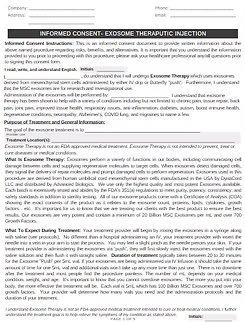
The provider needs to have the patient read and sign the informed consent form which states that the patient understands the product is not an FDA “Approved” medical treatment, they understand the other options available to them, outlines any side effects, and that they are getting treated with the exosomes voluntarily. Then the provider needs to enter the soap notes in their EMR system and state why they treated the patient, the medical condition, dose and administration method. Last, they need to enter follow up notes the next time they see the patient. That’s it.
To date, none of our providers have ever been audited and if they were they would just need to show those documents.
To place an order the provider or patient simply submits their order through the online order form.
There are 3 payment options:
Wire Transfer (preferred)
Credit or Debit Card (we have to pass the 3.5% processing fees to the customer)
Cashier’s Check – they must send the check overnight express
When they submit the order, the client will receive an order confirmation via email with payment instructions. If they selected to pay via credit or debit card we will send them an invoice through PayPal with a payment link.
I strongly suggest the client submits the order themselves as opposed to you filling it out for them. There are a couple reasons why…
Address mistakes – if you happen to type even one digit wrong on the zip code it will cause delays with FedEx which could cause dry ice to melt before it gets delivered and the exosomes could go bad. If this happens, you will need to pay for the replacement vials.
Terms and Conditions – there are terms and conditions that the client must acknowledge which states that they understand we cannot accept any returns or exchanges andn that all sales are final. It also states that they understand that they must put the exosomes in their freezer upon delivery. If you fill out the order form that means they are not agreeing to the terms and conditions and they can claim they were not aware of this so the liability falls on you.
SHIPPING
We ship our medical grade injectable exosomes overnight express on dry ice Monday through Thursday. Any orders placed on Friday will ship the following Monday for Tuesday delivery unless they request Saturday delivery.
Our topical exosomes are shipped Monday through Friday via 2-day air.
We provide tracking for each order. Once their order is delivered, the recipient needs to put the injectable exosomes in their freezer as soon as it is delivered. If there are any delays with FedEx, it’s typically not an issue. The dry ice will last at least 48 hours up to 72 hours.
REFUNDS AND EXCHANGES
We cannot accept any returns or exchanges per the FDA so all sales are final. However, if something were to happen to the product while in transit, we would replace the order. The customer must document the issue with pictures and or videos upon recognizing the issue. We will provide our FedEx account number to have their order shipped back and we will send the replacement immediately.
RESEARCHING
You can do your own research when someone asks if our product works for [incert medical condition]
ChatGPT is your friend www.chatgpt.com
Type the following:
“Explain how Mesenchymal Exosomes help in the treatment of __________.”
If you want ChatGPT to “dumb it down” for you type: “Explain how Mesenchymal Exosomes help treat _______ at an 8th grade reading level.”

EXAMPLE:
“Explain how human umbilical cord mesenchymal stem cell derived exosomes help reverse late stage kidney disease at an 8th grade reading level.”
Human umbilical cord mesenchymal stem cells (MSC) are special cells that can be found in the umbilical cord of newborn babies. These cells are really good at healing and repairing tissues in the body. They can make tiny packages called exosomes, which are like little “messenger” bubbles.
Exosomes carry important information, like proteins, lipids, and genetic material, that can help cells communicate with each other. When exosomes from umbilical cord MSCs are used to treat kidney disease, they help in several ways:
Repairing Damaged Cells: The exosomes carry helpful signals that encourage the kidney cells to repair themselves. They can also help new, healthy cells grow to replace the damaged ones.
Reducing Inflammation: In kidney disease, inflammation (swelling and irritation) can make things worse. Exosomes help reduce this inflammation, which is good for the kidneys.
Improving Blood Flow: Exosomes help the blood vessels in the kidneys work better, which is important for kidney function. Better blood flow helps the kidneys filter waste more effectively.
Helping Kidneys Heal: In later stages of kidney disease, the kidneys struggle to heal on their own. Exosomes from stem cells encourage the kidneys to heal and work better.
In short, exosomes from umbilical cord stem cells have the ability to help heal, reduce damage, and improve how the kidneys work, which is why they may be helpful in treating late-stage kidney disease.
PROTOCOLS AND INFORMED CONSENT FORMS
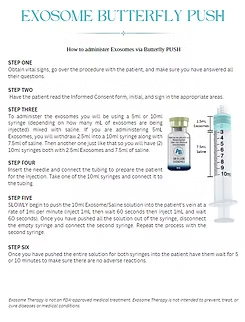
BUTTERFLY PUSH PROTOCOLS

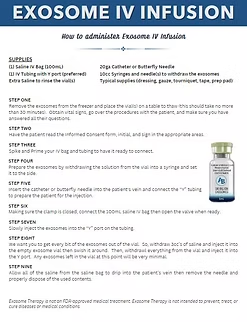
EXOSOME IV INFUSION PROTOCOLS
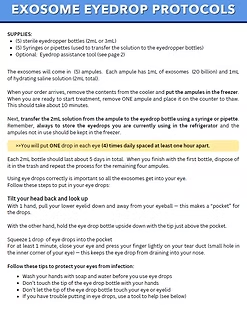
EXOSOME EYEDROP PROTOCOLS
EXOSOME IV INFUSION INFORMED CONSENT
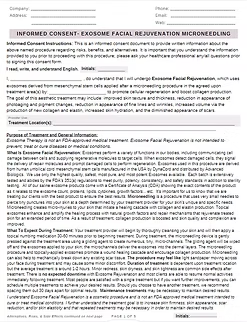
EXOSOME FACIAL REJUVENATION INFORMED CONSENT
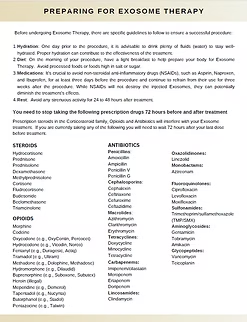
HAIR RESTORATION
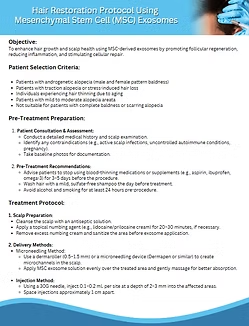
PRE & POST TREATMENT PROTOCOLS
Frequently asked questions
General Questions
Extracellular vesicle-based therapy for amyotrophic lateral sclerosis
Amyotrophic lateral sclerosis (ALS) is a disease that causes the fast breakdown of motor neurons in the brain and spinal cord. These motor neurons are essential for controlling muscle movement, and their loss leads to disability. There are few treatments for ALS, so new methods to prevent further damage to motor neurons are urgently needed. One way to protect motor neurons could be by fixing the barrier between the blood and the central nervous system (CNS). This barrier helps to prevent harmful substances in the blood from entering the CNS and causing damage. In ALS, this barrier is not working properly, which may lead to the motor neuron damage. Researchers have found that certain cells from human bone marrow, called endothelial progenitor cells (hBM-EPCs), may help repair this barrier.
These cells can release factors that help heal damaged cells in the barrier. Additionally, they produce small particles called extracellular vesicles (EVs) that carry helpful substances, which can further assist in fixing the damaged cells. In a laboratory study, these EVs were taken up by mouse brain cells, and the damage to these cells was significantly reduced. However, when a molecule called β1 integrin was blocked, the EVs could not be taken up by the cells. This research suggests that hBM-EPCs, and specifically the EVs they produce, may have potential as a new treatment for ALS by repairing the damaged blood-CNS-barrier.
The combination of autologous mesenchymal stem cell-derived exosomes and neurotrophic factors as an intervention for amyotrophic lateral sclerosis
Amyotrophic lateral sclerosis (ALS) is a disease that causes the gradual breakdown of motor neurons, leading to high mortality. Currently, only two medications, Riluzole and Edaravone, are approved for ALS treatment, but they can cause serious side effects like liver and kidney damage. As of now, there is no effective treatment for ALS. Researchers are looking into using exosomes, mesenchymal stem cells, and neurotrophic factors to help treat ALS. In this analysis, we’ll discuss how these elements could be combined to potentially create an effective treatment for the disease. Mesenchymal stem cells can help control the immune system, reduce oxidative stress, encourage nerve cell regeneration, and transform into nerve and glial cells. Exosomes from these stem cells also have positive effects, preventing the abnormal development of the stem cells.
Neurotrophic factors, on the other hand, can help control inflammation, stimulate nerve repair, and aid in the recovery of nerve function. By combining exosomes from mesenchymal stem cells with neurotrophic factors, researchers believe this approach could potentially be an effective treatment for ALS.
Emerging role of mesenchymal stromal cells (MSCs)-derived exosome in neurodegeneration-associated conditions: a groundbreaking cell-free approach
Many studies suggest that the positive effects of mesenchymal stromal cells (MSCs) come from the release of soluble substances, making them a possible option for repairing damaged tissue. MSC-derived exosomes, tiny particles released by these cells, have great potential for treating neurodegenerative diseases due to their unique immune and regenerative properties. Using exosomes instead of directly administering MSCs can avoid certain issues, such as tumor formation or limited movement to brain tissue. Importantly, these exosomes can pass through the blood-brain barrier and deliver their contents (like proteins, miRNAs, lipids, and mRNA) to damaged brain tissue. These substances can affect various processes in neurons, oligodendrocytes, and astrocytes. Research has shown that administering MSC-derived exosomes in animals with neurodegenerative diseases can lead to positive results by supporting the blood-brain barrier, promoting the growth of blood vessels, reducing inflammation, and encouraging the growth of new nerve cells. In this review, we will provide an overview of the therapeutic benefits of MSC-derived exosome therapy for acute and chronic neurodegenerative diseases and explain the mechanisms behind these positive effects.
Intra-Articular Injections of Mesenchymal Stem Cell Exosomes and Hyaluronic Acid Improve Structural and Mechanical Properties of Repaired Cartilage in a Rabbit Model
In a study comparing treatments for tissue defects, exosomes combined with hyaluronic acid (HA) showed significant improvements in appearance and tissue quality at both 6 and 12 weeks compared to defects treated with just HA. Additionally, the defects treated with exosomes and HA showed better mechanical properties, with higher levels of stiffness and elasticity (Young’s moduli) at both time points. By 12 weeks, the repaired tissue in defects treated with exosomes and HA was mostly made up of hyaline cartilage, which is mechanically and structurally superior to that of the HA-treated defects. The mechanical properties of the repaired tissue were similar to that of the surrounding healthy cartilage. In contrast, defects treated with HA alone showed some repair at 6 weeks, but this did not last, as shown by a decline in tissue quality and no improvement in mechanical properties from 6 to 12 weeks.
Recent Advances in the Application of Mesenchymal Stem Cell-Derived Exosomes for Cardiovascular and Neurodegenerative Disease Therapies
Exosomes are tiny particles that occur naturally in the body and are released and taken in by nearly all cells. They can move between cells and carry various substances related to their origin and function, such as proteins, lipids, and RNAs. Exosomes play a crucial role in cell communication, making them useful for delivering different types of drugs throughout the body. They are widespread in the circulatory system and can reach injury or disease sites by passing through biological barriers.Due to their unique structure and rich content, exosomes can be used for diagnosing and treating diseases. Exosomes derived from mesenchymal stem cells (MSCs-Exo) have the same functions as MSCs, like repairing and regenerating tissues, reducing inflammation, and regulating the immune system. This makes MSCs-Exo a natural drug delivery carrier with therapeutic effects, and they are increasingly used in treating cardiovascular and neurodegenerative diseases. In this article, we review the research progress of MSCs-Exo as drug delivery vehicles and their use in various drug deliveries, offering ideas and references for the study of MSCs-Exo in recent years.
Therapeutic utility of mesenchymal stromal cell (MSC)-based approaches in chronic neurodegeneration: a glimpse into underlying mechanisms, current status, and prospects
Recently, mesenchymal stromal cell (MSC) therapy has become a highly regarded treatment option for neurodegenerative diseases. Many studies in animal models and some clinical trials have demonstrated the safety, feasibility, and effectiveness of MSC transplantation in conditions such as Alzheimer’s disease (AD), Parkinson’s disease (PD), Amyotrophic lateral sclerosis (ALS), and Huntington’s disease (HD). The beneficial effects of MSC therapy are largely due to the secretion of immunomodulatory factors and various neurotrophic factors (NTFs), such as glial cell line-derived neurotrophic factor (GDNF) and brain-derived neurotrophic factor (BDNF). MSC therapy helps to degrade pathogenic protein aggregates, which are a hallmark of chronic neurodegenerative diseases, by secreting protein-degrading molecules. This process reduces neuroinflammation and provides neuroprotection, leading to cognitive and functional recovery and alleviation of disease symptoms. There is also evidence of MSC differentiation into neural-like cells in vivo. This article focuses on the therapeutic benefits of MSCs and their derivative exosomes as a cutting-edge, cell-free approach to treating AD, HD, PD, and ALS. Additionally, it highlights novel methods to enhance the therapeutic benefits of MSCs in these disorders, particularly through the administration of preconditioned MSCs.
Mesenchymal Stem Cells and MSCs-Derived Extracellular Vesicles in Infectious Diseases: From Basic Research to Clinical Practice
Mesenchymal stem cells (MSCs) have garnered significant attention in the field of regenerative medicine due to their therapeutic potential and unique properties. The ongoing COVID-19 pandemic has further emphasized the need for cell therapy in infectious diseases. This review aims to summarize the current scientific data on the use of MSCs and MSC-derived extracellular vesicles (MSC-EVs) in the treatment of infectious diseases. MSCs and MSC-EVs have been found to have immunomodulatory, anti-inflammatory, and antibacterial effects, as well as the ability to promote tissue regeneration and restoration of the epithelium.
The use of MSC-EVs as a cell-free treatment strategy offers a promising solution to the safety concerns associated with cell therapy and has shown increased effectiveness in preclinical studies. This review presents both experimental data and clinical trials that support the use of MSCs and MSC-EVs in the treatment of infectious diseases, particularly in combination with antiviral drugs. The use of MSC-derived EVs represents a more promising cell-free treatment option, with high therapeutic potential demonstrated in preclinical studies.
Mesenchymal stem cells for the treatment of neurodegenerative disease
Mesenchymal stem cells (MSCs) have gained attention as a potential tool for cell therapy and are currently being tested in FDA-approved clinical trials for a range of disorders, including myocardial infarction, stroke, meniscus injury, limb ischemia, graft-versus-host disease, and autoimmune disorders. Preclinical studies have shown MSCs to be effective in treating these and many other conditions. There is growing interest in using MSCs to treat neurodegenerative diseases, especially those that are fatal and difficult to treat, such as Huntington’s disease and Amyotrophic lateral sclerosis. The regenerative approach for neurological diseases using MSCs involves cell therapies in which cells are delivered through intracerebral or intrathecal injection. Upon transplantation into the brain, MSCs can enhance endogenous neuronal growth, reduce apoptosis, limit free radical levels, enhance synaptic connections between damaged neurons, and regulate inflammation through paracrine actions.
MSCs have been shown to promote functional recovery by producing trophic factors that support the survival and regeneration of host neurons. These therapies can either leverage the natural trophic support of MSCs or augment it through the delivery of growth factors, such as brain-derived neurotrophic factor or glial-derived neurotrophic factor, using genetically engineered MSCs as delivery vehicles. Clinical trials for MSC injection into the central nervous system to treat traumatic brain injury and stroke are ongoing. This article discusses the current data supporting the use of MSC-based cellular therapies for the treatment of neurodegenerative disorders.
Therapeutic potential of mesenchymal stem cells and their exosomes in severe novel coronavirus disease 2019 (COVID-19) cases
The novel coronavirus severe acute respiratory syndrome coronavirus 2 (SARS-CoV-2) is responsible for the global pandemic of coronavirus disease 2019 (COVID-19). The spread of the virus has had far-reaching impacts, including activity restrictions, economic disruption, and a strain on healthcare systems. Severe SARS-CoV-2 infection can trigger a cytokine storm, leading to serious health conditions such as acute respiratory distress syndrome (ARDS) and multiple organ failure, which require prompt treatment.
Mesenchymal stem cells (MSCs) and their exosomes have been shown to have anti-inflammatory effects on immune cells, such as inducing anti-inflammatory macrophages, regulatory T and B cells, and regulatory dendritic cells, and inactivating T cells. This makes them a promising candidate for treating severe cases of COVID-19. This review provides background on severe cases of COVID-19, an overview of the mechanisms of action of MSCs and their exosomes, and a discussion of basic and clinical studies on the use of MSCs and exosomes for influenza-induced ARDS.
Immune Modulation by Exosomes in COVID-19 (IMECOV19)
In critically ill COVID-19 patients, hyperinflammation and progressive lung fibrosis may lead to lung failure and the need for extracorporeal oxygenation. This study will investigate the anti-inflammatory and immune-modulatory effects of mesenchymal stem cells through whole blood stimulation experiments using stem cell-derived exosomes. The preparations of exosomes have been characterized by their miRNA and protein expression patterns and have shown potential for tissue regeneration. The hypothesis of this study is that mesenchymal stem cell-derived exosomes will reduce inflammation and promote anti-fibrotic pathways.
Cell Therapy for Neurological Disorders: The Perspective of Promising Cells
Neurological disorders are big public health challenges that are afflicting hundreds of millions of people around the world. Although many conventional pharmacological therapies have been tested in patients, their therapeutic efficacies to alleviate their symptoms and slow down the course of the diseases are usually limited. Cell therapy has attracted the interest of many researchers in the last several decades and has brought new hope for treating neurological disorders.
Moreover, numerous studies have shown promising results. However, none of the studies has led to a promising therapy for patients with neurological disorders, despite the ongoing and completed clinical trials. There are many factors that may affect the outcome of cell therapy for neurological disorders due to the complexity of the nervous system, especially cell types for transplantation and the specific disease for treatment. This paper provides a review of the various cell types from humans that may be clinically used for neurological disorders, based on their characteristics and current progress in related studies.
Extracellular Vesicles in Regenerative Medicine: Potentials and Challenges
The ultimate goal of regenerative medicine is to regain or restore the damaged or lost function of tissues and organs. Several therapeutic strategies are currently being explored to achieve this goal. From the point of view of regenerative medicine, extracellular vesicles (EVs) are exceptionally attractive due to the fact that they can overcome the limitations faced by many cell therapies and can be engineered according to their purpose through various technical modifications. EVs are biological nanoscale vesicles naturally secreted by all forms of living organisms, including prokaryotes and eukaryotes, and act as vehicles of communication between cells and their surrounding environment.
Over the past decade, EVs have emerged as a new therapeutic agent for various diseases and conditions owing to their multifaceted biological functions. This is reflected by the number of publications on this subject found in the Web of Science database, which currently exceeds 12,300, over 85% of which were published within the last decade, demonstrating the increasing global trends of this innovative field. The reviews collected in this special issue provide an overview of the different approaches being explored in the use of EVs for regenerative medicine.